
Behind The Scenes

Research across neuroscience, psychology, and pediatric care shows that sound, music, and creative engagement can influence the nervous system, emotional regulation, and stress responses.
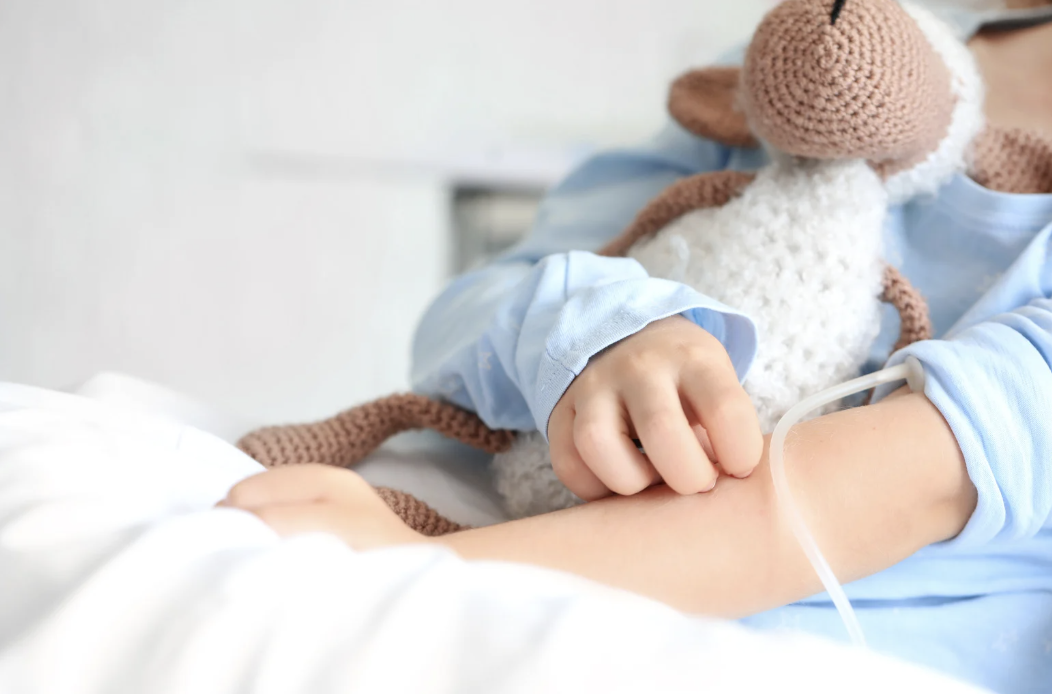
In pediatric settings, these approaches are widely studied as safe, non-invasive, adjunctive supports, particularly around procedures, hospitalization, and long or repeated care journeys





-
Emotional distress and mental health conditions are common among children and adolescents — with research estimating that roughly one in four young people experience elevated anxiety symptoms and one in five experience elevated depression symptoms worldwide. PMC
An estimated 1 in 7 adolescents is affected by a mental health condition such as anxiety, depression, or behavioral disorders, many of which begin before age 14. World Health Organization
In population health data, anxiety affects over 10% of children aged 3–17 and depression affects several percent of this age group, underscoring the need for supportive care during critical developmental periods. CDC
Hospitalization itself is associated with higher odds of new emotional and stress-related diagnoses in children compared with matched peers, highlighting that medical care and emotional wellbeing are closely linked. PMC
-
High prevalence of anxiety and depression
Globally, about one in four children and adolescents experience elevated symptoms of anxiety, and about one in five experience elevated symptoms of depression — with rates rising since the COVID-19 pandemic. PMC
One in seven children and teens is affected by a mental health condition
WHO and UNICEF estimate that approximately 1 in 7 young people aged 10–19 experience a mental health condition such as anxiety, depression, or behavioral disorders — and many begin before age 14. World Health Organization
Anxiety and emotional disorders are common in youth
Population data show that 11% of children aged 3–17 had diagnosed anxiety and 4% had diagnosed depression in recent national health surveys, with behavior disorders also prominent. CDC
Hospitalization can increase risk of mental health diagnoses
Research indicates that children who are hospitalized may have higher odds of developing new mental health diagnoses after discharge compared with peers, including anxiety, depression, and stress-related disorders.
-
Because this field requires careful, testable claims, O2 is being evaluated through hospital-based feasibility pilots that measure:
engagement and usability
acceptability for children, caregivers, and staff
early signals related to distress, coping, sleep, and regulation
These pilots inform clinical study design and ensure O2 is safe, usable, and appropriate for real-world pediatric care.